

In the rapidly advancing field of aerospace engineering, the choice of materials significantly influences the success and efficiency of aircraft designs. A major advancement has been the adoption of aerospace aluminium, celebrated for its lightweight properties and impressive strength-to-weight ratio. This material provides engineers with the ability to innovate, crafting aircraft that are not only lighter but also more energy-efficient. Delving into this topic reveals how aluminium alloys have become indispensable in creating more sustainable and efficient flight solutions, revolutionizing the aviation industry.
The technical composition of aluminium alloys in aviation
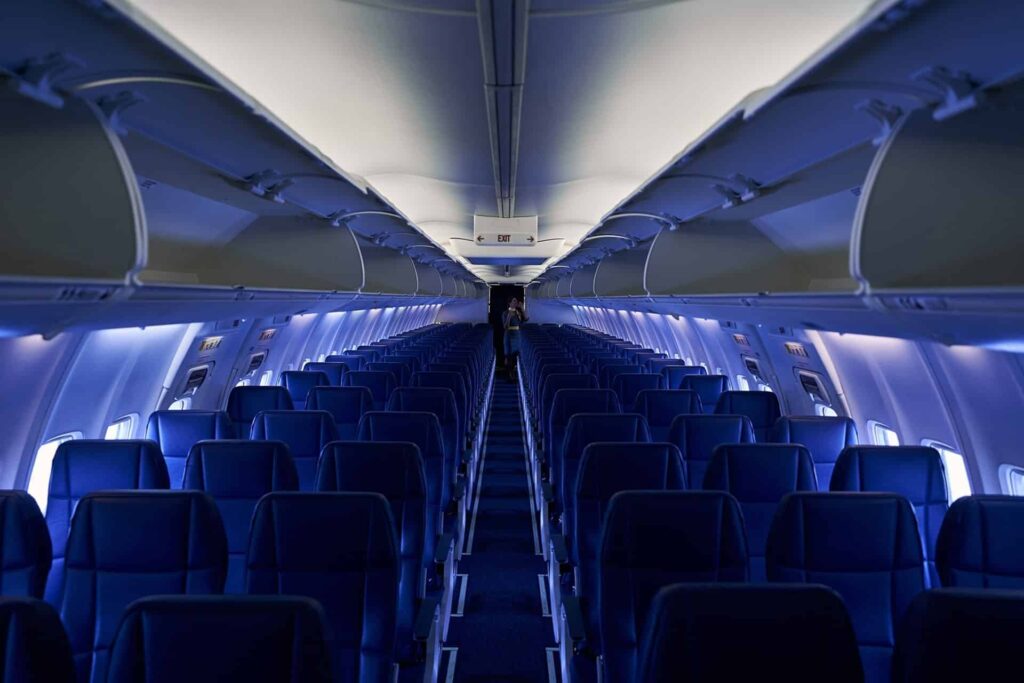
A key aspect of aerospace-grade aluminium is its specific composition, which is carefully engineered to provide a blend of properties like tensile strength, corrosion resistance, and adaptability to extreme temperatures. These alloys typically include elements such as copper, magnesium, and zinc, and undergo rigorous testing to meet stringent aviation standards. Aircraft manufacturers depend on these materials to produce aluminium components for things like seats and luggage compartments, ensuring safety while improving fuel efficiency. Understanding these technical aspects is important for anyone involved in the aerospace industry, as it highlights the material’s role in modern aviation.
Manufacturing and using advanced aluminium alloys in aircraft
Creating aerospace aluminium involves a deep understanding of material sciences and sophisticated manufacturing techniques. An important production method with multiple advantages, is precision extrusion. In the final stages, precision machining shapes the components, customizing them for specific aviation requirements. This careful process not only enhances the alloys for superior performance but also minimizes material waste, supporting sustainability efforts. For engineers and technicians in this sector, working with such advanced materials places them at the cutting edge of aviation progress, contributing to the development of safer, more efficient aircraft.